El Castillo’s Equinox Shadow: The Kukulkán:
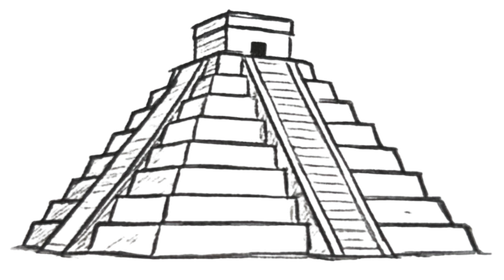
El Castillo, also known as the Temple of Kukulkán, is the iconic step-pyramid at Chichén Itzá, built by the ancient Maya between the 8th and 12th centuries CE. It serves as a temple dedicated to Kukulkán, the feathered serpent god (similar to the Aztec Quetzalcoatl), symbolizing knowledge, wind, and renewal.
Twice a year—during the spring equinox (around March 20–21) and autumn equinox (around September 22–23)—a stunning optical illusion occurs on the pyramid’s northern staircase in the late afternoon as the sun sets.
Here’s how it works:
- The pyramid’s precise orientation and design align perfectly with the sun’s position on these dates, when the sun sits directly above the equator (making day and night nearly equal worldwide).
- As the sun lowers in the northwest sky, its rays strike the pyramid’s northwest corner and the edges of the stepped terraces.
- This creates a series of triangular shadows (usually seven or so) that project onto the balustrade (side railing) of the northern staircase.
- The shadows form a wavy, diamond-backed pattern that looks like the body of a serpent.
- Over about 45 minutes to an hour, the “serpent” appears to slither or crawl slowly down the stairs, starting from the top and moving toward the base.
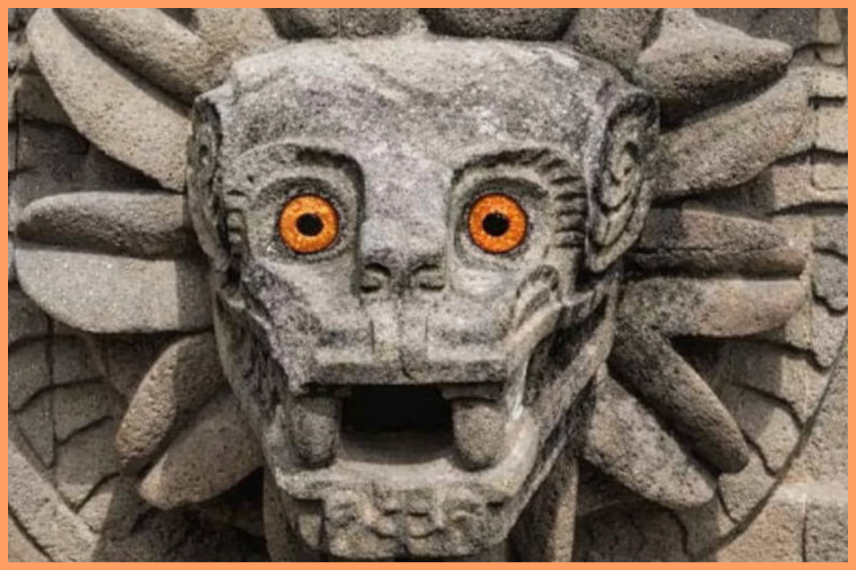
- At the bottom of the staircase, carved stone serpent heads (with open mouths and plumes) complete the illusion—the shadow connects to these heads, making it seem as if the god Kukulkán is descending from the heavens to the earth (and sometimes symbolically to the underworld).
The Maya engineered this deliberately to showcase their advanced knowledge of astronomy, geometry, and architecture. It wasn’t random—the pyramid’s angles, platform levels, and staircase orientation create the perfect conditions for this play of light and shadow.
Thousands gather each equinox to witness it (though the best view is from certain angles, and crowds can be huge). Some archaeologists note the effect is most dramatic exactly on the equinox dates but can be visible for a few days around them, and there’s debate about whether it was intentionally designed for this precise purpose or is a happy astronomical coincidence amplified by the carvings.